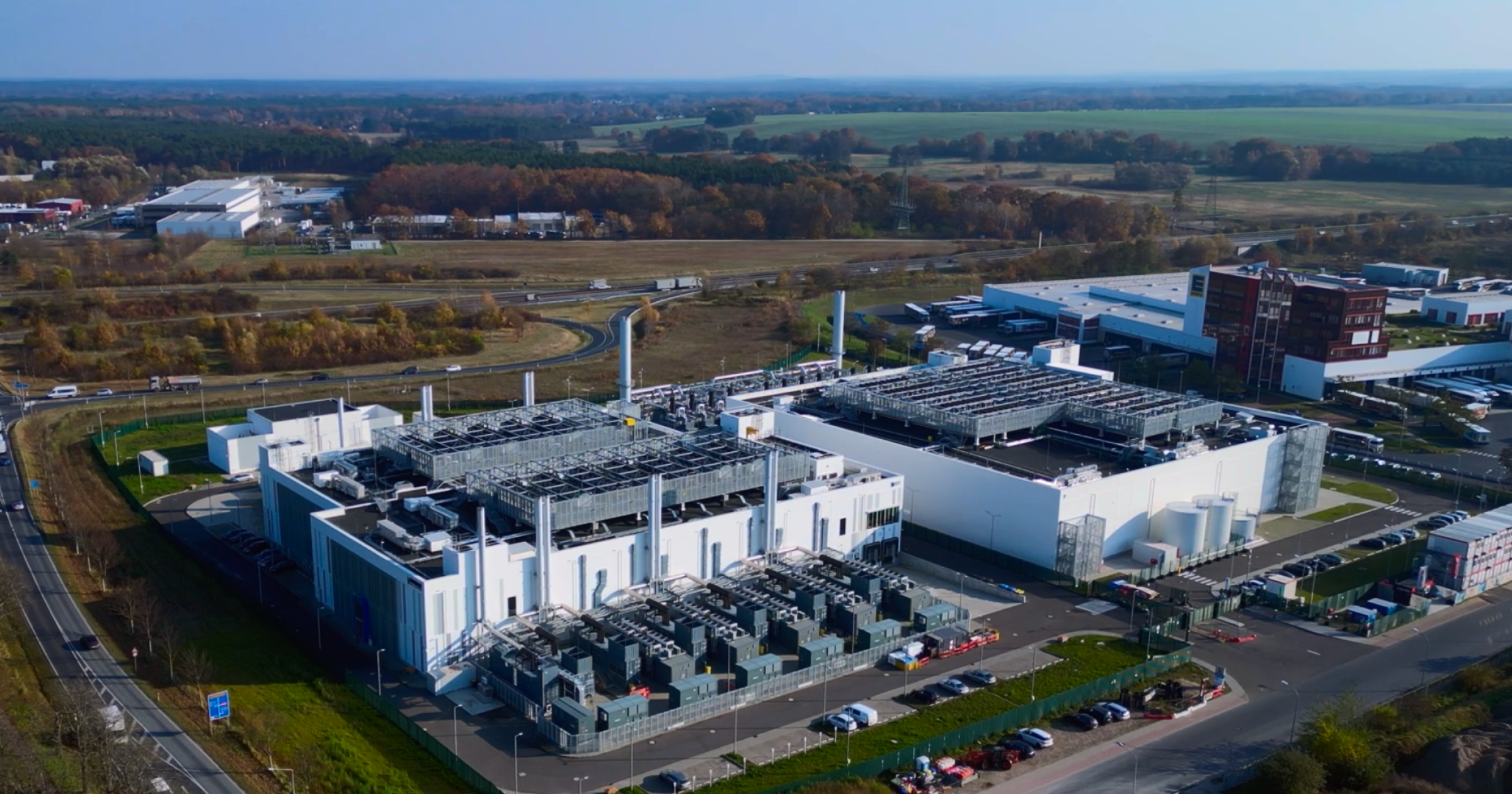
Modern data centers are the backbone of our digital economy. From ChatGPT to banking, healthcare records, and streaming, facilities are expected to run flawlessly 24 hours per day, 7 days per week, 365 days per year. For sites built in Northern climates, snow management is key to ensuring that sites stay up-and-running to meet consumer demands.
Snow Retention as Part of Data Center Risk Management
With so much of our everyday lives reliant on data centers, operators must carefully plan for risks ranging from power outages to cyber attacks.
But when protecting data centers against severe weather or digital threats is top of mind, it’s easy to underestimate the damage snow and ice melt can cause. Winter preparedness must extend beyond basic snow removal.
That’s where engineered snow retention comes into play.
A comprehensive snow management strategy should include everything from roof load planning to drainage management, safety procedures, and equipment protection. Engineered snow management systems are an effective way to mitigate unexpected damage to exterior infrastructure, disperse snow load on expansive low-sloped roofs, and reduce risk of injury to site personnel.
With a custom layout and products based on roof size, material, and slope, facility managers can rely on Alpine SnowGuards products to safely manage snow melt.
Risks of Uncontrolled Snow and Ice at Data Centers
Any time snow or ice accumulates on a roof without an engineered snow retention system, it can “release” from the roof surface in what’s referred to as a “snow slide” or “roof avalanche”. Slides are common in Northern climates, particularly during freeze/thaw cycles in early Spring.
When these events occur, they have the potential to cause serious damage. Just six inches of snow on a standard 1,000 sq ft residential roof can weigh up to 15,000lbs (depending on moisture content)(1).
Now, consider how much weight that would be on the roof of a 300,000 sqft commercial data center. Additionally, many of these sites are constructed with low-friction materials like metal or membrane. The result is an expansive, slick surface, that won’t hold built up snow or ice on its own, supporting thousands of pounds of snow and debris.
Key Concerns of Uncontrolled Snow and Ice
Worker Safety:
Employees, contractors, and maintenance personnel frequently access exterior areas for inspections and repairs. A sudden release of snow or ice can pose a significant injury risk.
Equipment Damage:
Cooling systems, electrical conduits, and fiber infrastructure located near the building perimeter may be vulnerable to falling snow and ice. Even minor damage to these components can affect system performance or require costly repairs.
Operational Disruptions:
Operational disruptions are another potential consequence. Snow piles created by roof avalanches may block service entrances or restrict access to backup generators and fuel supplies. In an emergency situation where rapid response is essential, these obstructions could slow down critical maintenance activities.
Liability Exposure:
If falling snow damages property or causes injury, organizations may face legal or financial consequences. Proactively managing snow melt helps reduce these risks.
Why Standard Snow Guards Aren’t Enough
While snow guards are commonly used on commercial roofs, a one-size-fits-all approach rarely works for data centers. These sites have unique structural and operational characteristics that make customized snow management solutions especially important. Without proper engineering, poorly designed systems can result in uneven load distribution or inadequate retention. In heavy snow regions, this may cause out-of-the-box snow guard systems to fail or allow dangerous snow slides to occur.
Large Roof Footprints:
A larger building equals a larger roof. And a larger roof means larger areas for snow and ice accumulation. Even modest centers can span upwards of 100,000 square feet to accommodate servers, ventilation systems, network paths, and utility equipment.
Roofing Design & Material:
Many data facilities use metal or low-slope roofing systems, which can increase the likelihood of snow sliding off the roof once melting begins. Without proper retention systems in place, slides can be both sudden and highly unpredictable.
Exterior Infrastructure:
When people think of a data center, they often picture intricate arrays of servers inside a warehouse, but the exterior infrastructure of these sites is often just as complex. Because of the massive amounts of heat created by servers and other equipment, data centers also require costly outdoor equipment, like backup generators, cooling systems, chillers, and fuel tanks. These systems are essential for maintaining continuous operations, especially during emergencies. Falling snow or ice from the roof can damage this equipment, potentially threatening uptime.
Because of these complexities, data centers benefit from custom snow retention tailored to the specific structure and operational needs of the facility.
The Value of Custom Snow Guard Solutions
Engineered snow guard systems from Alpine Snow Guards are designed to address the unique challenges of critical commercial facilities like data centers.
Our custom snow retention strategies begin with a detailed site analysis where our engineers evaluate factors such as roof geometry, panel type, materials, regional snow loads, and expected snow drift patterns to determine the most effective snow guard product(s), placement, and spacing.
The resulting design is tailored to protect critical exterior systems, prevent dangerous slides in highly trafficked personnel areas, and safely distribute the weight of snow and ice to prevent damage to the roofing structure.
Protecting Uptime Through Smart Snow Management
Data centers rely on resilient infrastructure and careful operational planning. In snowy climates, uncontrolled snow shifts can threaten both equipment and site personnel.
By implementing a custom-engineered snow retention solution, facility managers can safely control snow and ice melt, protect critical exterior systems, and reduce winter-related risks. With the right planning in place, data centers can maintain the reliability and uptime that our digital-first society depends on, even through the harshest winters.
For a free custom layout and product recommendations for your property, visit us at https://www.alpinesnowguards.com/pages/request-quote.
Sources:
- DaBella, 2025

-1.png?width=2160&height=1260&name=Header%20(2)-1.png)